Flyscreens Perth: Window Flyscreens and Fly Screen Doors
Flyscreens in Perth let a home open up on summer evenings without inviting in every fly and mosquito nearby. Vistalux Shades and Blinds measures and fits fixed window flyscreens, sliding fly screen doors and retractable screens for bi-fold and French doors across Perth's south-east and south. Mandeep checks every window and door frame on site, shows fibreglass, aluminium and pet mesh samples, and puts each opening on a written quote before anything is ordered. Screens are made to the exact size of each frame, so they sit flush with no gaps for insects to find. Households in Forrestdale, Serpentine, Mundijong, Wellard and surrounding suburbs can call 0499 295 533 between 6am and 10pm, any day of the week.
GET A FREE QUOTE
12
blind, curtain, shutter and screen ranges made to measure
7 days
a week, 6am to 10pm, for measures and bookings
12
suburbs covered across Perth's south-east and south
100%
made to the measurements taken in your home
Why Choose Vistalux Shades and Blinds in Perth
Vistalux Shades and Blinds is based in Byford and works across Perth's south-east and south, so measures and installations are close to home rather than a long drive across the city.
Local to Byford and the south-east
Mandeep works across Byford, Baldivis, Canning Vale, Piara Waters, Mundijong, Serpentine and the surrounding suburbs. Bookings run seven days a week from 6am to 10pm, so a measure can fit around work and school. Being local keeps return visits and adjustments simple.
Measured in your home, quoted in writing
Every window is measured on site and every blind, curtain and shutter is made to those measurements. Samples come to your home so fabrics can be compared in your own light. The written quote lists each window before anything is ordered. Call 0499 295 533 to book a measure.
Vistalux Shades and Blinds
Flyscreens Perth: Window Screens, Doors and Retractable Screens
Flyscreens in Perth are less about looks and more about living with the windows open. A well-fitted screen is what makes the evening breeze usable instead of a trade-off with the insects.
Vistalux Shades and Blinds fits three main types of flyscreen, chosen by the kind of opening and how often it is used.
Fixed window flyscreens
A fixed flyscreen is a lightweight aluminium frame with mesh, held in the window opening by clips or a channel. It stays in place year round on sliding, awning and double-hung windows, and can be lifted out for cleaning when needed.
Bedroom and living room windows that open every night in summer are the usual starting point for a home.
Sliding fly screen doors
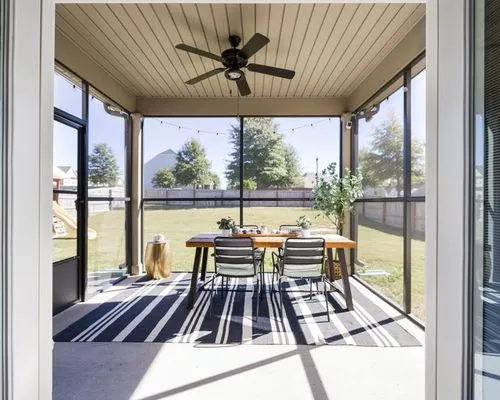
A sliding fly screen door runs on the same track as a glass patio slider. It lets the glass door stay open to the yard while the screen stops flies, moths and mosquitoes coming through.
Fly screen doors take a lot of daily use, so a solid frame, good rollers and a smooth track make the difference between a door that glides and one that jumps off its track.
Retractable flyscreens for bi-folds
Bi-fold and French doors open too wide for a standard sliding screen. A retractable flyscreen pulls across the opening from a slim cassette and rolls away out of sight when not in use, so the full doorway stays clear for entertaining.
Vistalux Shades and Blinds
How Flyscreens Are Measured and Fitted
Flyscreens look simple, but a screen that is a few millimetres out leaves a gap that mosquitoes will find within a night. Accurate measuring is most of the job.
Mandeep measures each opening at several points, because window frames in brick-and-tile homes are not always perfectly square. The window type is noted too, since sliding, awning and casement windows each take a different style of screen and fixing.
Frames, clips and spline
Each screen is built from roll-formed or extruded aluminium frame sections joined at the corners. The mesh is pressed into a groove around the frame and locked with a rubber spline, which keeps it taut.
Fixed window screens are held in place by turn clips, spring clips or a top channel, chosen to suit the window. Door screens add rollers, a handle, a latch and a brush strip along the edge to seal against the frame.
Re-meshing existing frames
Where an existing frame is straight and the corners are sound, torn or sagging mesh can often be replaced rather than the whole screen. Frames that are bent, corroded or cracked at the corners rarely hold new mesh tight for long.
On installation day, the installer fits each screen, checks it sits flush with no light showing around the edges, and adjusts door rollers so the screen slides cleanly and latches shut.
Vistalux Shades and Blinds
Why Choose Vistalux for Flyscreens
Vistalux Shades and Blinds is based in Byford and owned by Mandeep, servicing homes from Piara Waters and Canning Vale through to Jarrahdale and Serpentine. Every flyscreen is made to the measured size of its frame and fitted on site.
Mosquitoes, flies and summer airflow
The south-east of Perth sits close to wetlands and waterways such as Forrestdale Lake and the Serpentine River, where mosquitoes breed through the warmer months. Flies are a constant in summer, particularly on acreage and semi-rural lots around Oakford and Mundijong.
Opening the house to catch the afternoon sea breeze is one of the easiest ways to cool a home after a hot day. Screening every window that opens, not just one or two, is what makes that practical.
Samples you can see through
Fibreglass, aluminium and pet mesh samples come to the measure, so you can hold each one up to the window and judge visibility from inside. Frame colours can be matched to existing window frames so the screens blend in from the street.
Clear, written quotes
Each window and door is listed separately on the written quote with its screen type, mesh and frame colour. Nothing is ordered until you are happy with every line.
Bookings are taken from 6am to 10pm, seven days. Call Mandeep on 0499 295 533 to arrange a measure before the mosquito season peaks.
Vistalux Shades and Blinds
Flyscreens Cost in Perth
The cost of flyscreens in Perth depends on what goes into each opening. A home with a dozen fixed window screens is priced very differently from one needing a single retractable screen for a wide bi-fold.
Screen type, mesh and size
Fixed window screens are the most economical type, because the frame is light and there are no moving parts. Sliding fly screen doors add rollers, a handle and a latch, and retractable screens add a cassette, guide rails and a spring mechanism, so each step up costs more.
Mesh choice also moves the price. Standard fibreglass is the base option, while aluminium mesh and heavier pet-resistant mesh cost more because the material is stronger.
Size matters too. Larger windows and tall doors need more mesh and, on wide openings, a stronger frame or a centre brace to stop sagging.
Number of openings
Screening a whole house in one visit is more efficient than doing windows one at a time. The quote reflects the actual number and size of openings measured.
New screens or re-meshing
Replacing mesh in a sound existing frame involves less material than building a new screen. Where frames are damaged, a new screen is usually the better long-term choice.
Getting a written figure
Because every home has a different mix of windows and doors, a firm price only comes after measuring. The written quote breaks the cost down by opening, so you can prioritise bedrooms and living areas first if needed.
Vistalux Shades and Blinds
Fibreglass vs Aluminium vs Pet Mesh Flyscreens
Mesh is the part of a flyscreen you look through every day, so the choice affects both the view and how long the screen lasts. Each type suits different parts of the house.
Mesh types and visibility
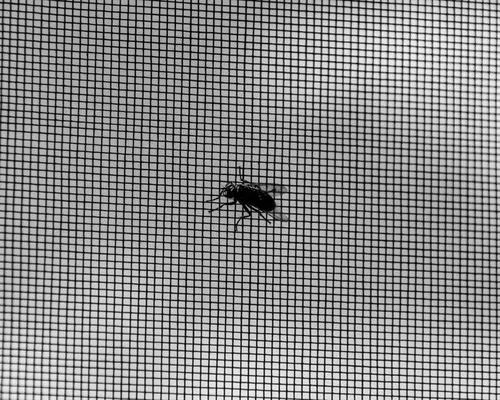
Fibreglass mesh is the most common choice. It is flexible, does not dent, and the charcoal colour lets you see out clearly while reducing glare. It suits most bedroom and living room windows.
Aluminium mesh is stiffer and resists tearing from wind and minor knocks better than fibreglass. It can dent if hit hard, and the finer weave can show a slight sheen in direct afternoon sun on west-facing windows.
Pet mesh is a thicker, coated polyester mesh designed to resist claws and paws. The heavier strands reduce visibility slightly, so it is usually kept to the doors and low windows pets actually reach.
Choosing mesh for pets and children
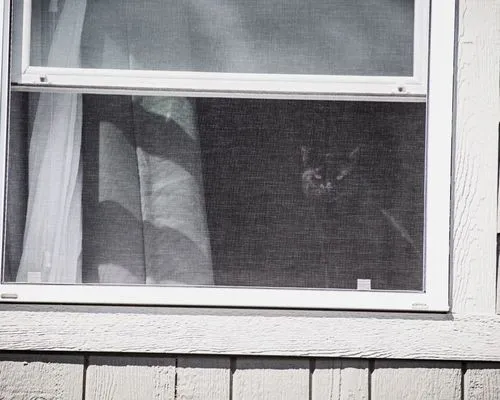
Dogs scratching at the back door and cats climbing screens shred standard fibreglass quickly. A sliding fly screen door or low window fitted with pet mesh holds up to that daily wear far better.
Flyscreens are designed to keep insects out, not to stop a child or pet pushing through. For an opening where that is a concern, a security screen is the safer option, and fixed window screens should never be relied on to prevent falls.
Mandeep can mix mesh types across one house: fibreglass on most windows, pet mesh on the back door and aluminium where screens take more knocks.
Related Flyscreens Services in Perth
Made-to-measure roller blinds for Perth homes in blockout, light-filtering and sunscreen fabrics. Measured in your home with samples, quoted in writing before ordering, and fitted on site across Byford, Baldivis, Canning Vale and the wider south-east corridor.
Soft-fold roman blinds sewn to measure for Perth living rooms, bedrooms and kitchens. Choose flat-fold or relaxed styles, linen-look, sheer or blockout-lined fabrics, with chain or motorised lift, all measured in your home and quoted in writing.
Aluminium, timber and timber-look venetian blinds made to measure for Perth kitchens, bathrooms and living areas. Tilt the slats for light and privacy, with every window measured in your home, quoted in writing and fitted on site.
TESTIMONIALS
What Our Flyscreens Customers Say About Us
The Process
3 Step Process For Your Flyscreens Needs

Book Visit
Call 0499 295 533 or use the online form, and Mandeep books an in-home visit at a time that suits you, seven days a week.

Measure Up
Mandeep measures every window, brings fabric and colour samples to compare in your own light, and gives a written quote before anything is ordered.

Installed Right
Each blind, curtain or shutter is made to the measurements taken, then fitted, levelled and tested on site, with the old fittings removed if needed.
Flyscreens In Perth
FREQUENTLY ASKED QUESTIONS
Everything you need to know about our Flyscreens In Perth
How much do flyscreens cost in Perth?
The price of flyscreens depends on the screen type, the mesh and the size of each opening. Fixed window screens cost the least, sliding fly screen doors sit in the middle, and retractable screens for bi-folds cost the most. Aluminium and pet mesh add to the price compared with standard fibreglass. Mandeep measures every opening and supplies a written quote listing each one.
How long does it take to have flyscreens made and fitted?
Flyscreens are made to the measured size of each frame, so there is a short manufacturing period after the measure. The expected timeframe is shown on the written quote. Fitting is usually quick, and a full house of window screens can often be installed in one visit. Retractable screens take a little longer to install because the cassette and guide rails must be aligned.
Is fibreglass or aluminium flyscreen mesh better?
Neither is better in every situation. Fibreglass mesh is flexible, will not dent and gives clear visibility, which makes it the usual choice for windows. Aluminium mesh is stiffer and stands up better to wind and knocks but can dent if struck. Vistalux Shades and Blinds brings samples of both so you can compare them at your own windows.
What is involved in measuring for new flyscreens?
The installer measures each window and door frame at several points to check for square. The window type is recorded so the right fixing, such as clips or a channel, can be used. You see mesh samples, choose a frame colour and decide which openings need screens. A written quote follows, and nothing is ordered until you approve it.
Why do mosquitoes still get in with flyscreens fitted?
Mosquitoes usually get in through gaps rather than through the mesh. Screens that are slightly undersized, bent frames, missing brush strips on doors and torn corners all leave openings. Unscreened windows that are opened at night are another common cause. A screen made to the exact size of the frame and fitted flush closes those gaps.
Which flyscreen mesh is best if I have a dog?
Pet mesh is the best choice for doors and low windows a dog can reach, because the thicker coated strands resist scratching and pushing. Standard fibreglass tends to tear quickly under claws. Many homes use pet mesh only on the back door and keep fibreglass elsewhere for better visibility. Mandeep can show the difference at the measure so you can decide opening by opening.
Request A Free Flyscreens Quote
GET A FREE QUOTE
BUSINESS
SERVICES
OPERATING HOURS
Sun: 6:00am - 10:00pm
Mon: 6:00am - 10:00pm
Tue: 6:00am - 10:00pm
Wed: 6:00am - 10:00pm
Thu: 6:00am - 10:00pm
Fri: 6:00am - 10:00pm
Sat: 6:00am - 10:00pm